Artificial intelligence and web3 coming together in a major paradigm shift sounds like something from a futuristic vision or concept. The early phases of the blockchain landscape were all about decentralized finance and digital ownership. However, the introduction of AI agents in web3 will add a programmable and self-sovereign intelligence layer to the blockchain ecosystem. Many people have started raising questions about the value that agentic AI can bring in the blockchain and web3 space.
AI agents have the potential to generate economic value of almost $2.9 trillion by 2030 in the United States. (Source)
A survey by LangChain in 2024 found that around 51% of professionals used AI agents in production with 78% actively planning to implement them soon. (Source)
Agentic AI can bring immense value to the table, and professionals have been acknowledging its potential for few years now. AI agents offer more than generic automation and transform LLMs into smart autonomous entities that can perceive the environment, implement reasoning, and execute actions to achieve their goals. Learning how AI agents can complement blockchain and web3 technologies will help you understand the foundations of autonomous web3 and blockchain systems.
Understanding the Definition of AI Agents in Web3 Contexts
The best way to understand how AI agents can influence web3 involves discovering how they are different from traditional bots. Traditional web bots rely on rigid and hardcoded logic, which means that they execute predefined actions when specific conditions are met.
On the contrary, AI agents have the capability to build autonomous blockchain systems as agents use large language models and machine learning frameworks. With these technologies, agentic systems have the capabilities for reasoning, planning, and adapting to diverse environments.
If you bring AI agents into the domain of blockchain networks, the agents will take on some of the native properties of web3.
AI agents can become self-sovereign entities capable of owning private keys and crypto assets and managing their balance sheets without human intervention.
The use of agentic AI in web3 will empower agents to interact with decentralized applications and smart contracts without depending on centralized intermediaries.
The actions, financial transactions, and logic parameters of AI agents can be documented transparently on immutable decentralized ledgers.
You can notice that web3 complements the limitations of AI agents by providing a native on-chain identity through public keys. AI agents also leverage web3 to gain access to a financial rail in the form of cryptocurrency for autonomous global transactions.
Get Certified AI Agents Manager (CAIAM) Certified — Gain in-demand skills to manage agentic AI workflows across the full AI agent lifecycle and lead the future of intelligent automation
Unraveling the Synergy between AI Agents and Web3
The relationship between AI agents and web3 is purely symbiotic with both of them filling up the limitations of the other. AI agents bring cognitive capabilities while blockchain and web3 offer secure economic rails and sandbox environments.
Contributions of Web3 to AI Agents
The potential of AI agents is extremely limited in the web 2.0 landscape. You cannot have AI agents opening a bank account or signing legal contracts without human intervention in web 2.0. Web3 can solve this problem by providing identities to AI agents and empowering them to pay for its compute resources. AI agents in the domain of web3 can also charge users for their services and raise capital to invest in decentralized ecosystems.
Contributions of AI Agents in Web3
The utility of AI agents in blockchain revolves around making web3 accessible to everyone. You may have noticed how web3 environments can be extremely complex and difficult to navigate for everyday users. The example of DeFi can help you understand how AI agents can revolutionize the web3 experience for users. DeFi users have to monitor gas fees, yield farms, slippage, and liquidity pools across multiple chains, which introduces complexities. AI agents can remove this complexity by translating goals specified by DeFi users into multistep workflows.
Identifying the Core Use Cases of AI Agents in Web3
You can gauge the impact of AI agents on the process of building purely autonomous web3 and blockchain systems through use cases of agentic AI. The combination of AI agents and web3 will lead to significant disruption across decentralized finance, digital culture, and governance.
1. Autonomous DeFi
Conventional algorithmic trading bots leverage historical data and predefined mathematical parameters to execute trades. On the contrary, AI agents can conduct real-time sentiment analysis on social media data and read governance proposals of DeFi protocols. Agentic systems are also capable of monitoring on-chain liquidity changes and facilitating dynamic adjustment of portfolios.
AI agents can also serve as powerful tools for managing your yield farming portfolio across different protocols. You will also notice applications of AI agents in DeFi helping with automatic fund transfers to maximize returns. Most important of all, AI agents are always operational and can make complex trading decisions faster than human traders.
2. On-Chain AI Influencers
The demand to build web3 AI agents that can serve as influencers is also gaining traction. Autonomous AI agents can generate content and interact with users on social media with some of them also showcasing capabilities for managing their individual tokenized communities.
The development and growth of these types of agents will set new precedents for identity of creators and community building approaches. Agentic AI has the potential to create completely new avenues for intellectual property management and decentralized entertainment.
3. Decentralized Governance with AI
Artificial intelligence agents also stand out as prominent candidates for transforming decentralized governance with diverse benefits. Decentralized Autonomous Organizations, or DAOs experience issues like non-participation of voters and slow decision-making processes. Agentic AI offers the most promising solutions for optimizing the structure of DAOs and changing how they operate.
AI agents can read through complex governance proposals and evaluate their impact on the DAO treasury. Subsequently, agents can vote on behalf of token holders or design optimized counter-proposals. AI agents in advanced setups can serve as autonomous treasury managers that deploy capital according to the mandates approved by the community.
Challenges Expected in the Use of AI Agents in Web3
The benefits expected from AI agents in the domain of web3 clearly showcase that autonomous web3 systems driven by agentic AI have huge potential. However, it is important to address many critical hurdles to ensure widespread adoption of agentic AI in web3.
1. Smart Contract Vulnerabilities
Do you know the link that connects AI agents with the world of web3? Smart contracts play a major role in bridging the gap between agentic AI systems and web3. Let us assume that the code of an agent or the smart contract that it interacts with has some vulnerability. It clearly implies that smart contract vulnerabilities can lead to huge losses, especially due to instant draining of assets. Without appropriate guardrails, AI agents can execute thousands of faulty transactions before they notice anything wrong.
2. Costs of On-chain Inference
The thought of using AI agents in web3 definitely sounds appealing with the assurance of numerous benefits. It is also important to know that running complex LLMs directly on blockchains is practically impossible due to high gas fees and scalability issues. AI agents have to do most of their cognitive processing outside the chain, primarily through decentralized compute networks and push the results to the blockchain. Therefore, bridging the gap between AI agents and web3 without introducing centralization or latency is still a huge challenge.
Final Thoughts
The combination of AI agents and the web3 space stand for a fundamental evolution in how we perceive both technologies. Blockchain networks can empower AI agents with identity and economic tools to function as self-sovereign entities. On the other hand, AI agents can help in creating autonomous blockchain systems with a cognitive layer that performs complex interactions without human intervention. The future of autonomous web3 and blockchain systems is already here with AI agents, and you need to prepare for it now.
Emma Hardy MP has been confirmed as the new Minister for the Circular Economy and Waste Crime.
Hardy, the MP for Kingston upon Hull West and Haltemprice, was elected to Parliament in 2017 and served as the Minister for Water and Flooding in the Department for Environment, Food and Rural Affairs (Defra) between 2024 and 2026.
She remained as a Junior Minister in Defra throughout both Steve Reed’s and Emma Reynolds’ time as Environment Secretary; however, she has now been promoted to Minister of State in the department.
Previously, the responsibility for waste and the circular economy sat with the Minister for Nature, a position formerly held by Mary Creagh, who announced she was being replaced last week.
The Chartered Institution of Wastes Management’s (CIWM) Director of Policy Comms & External Affairs Dan Cooke said CIWM looks forward to working with Hardy to help accelerate the UK’s transition to a more resource-efficient future.
“Having a Minister of State with a clear focus on waste crime within Defra’s circular economy agenda is a welcome step and a clear signal,” Cooke said.
The UK government has said it intends to publish its delayed Circular Economy Growth Plan ‘soon’, but has not given a firm publication date.
The Plan was originally expected to be published in October last year but has been delayed.
Cooke continued: “CIWM will continue to support the UK Government in progressing the circular economy agenda to drive greater resource efficiency, and to deliver the economic growth, investment, and job opportunities our sector can offer.”
“We will also continue to support government, the Environment Agency, regulators and partners in tackling serious and organised waste crime, targeting the criminals profiting from illegal activity, undermining our sector, causing misery and anxiety in communities, and damaging local economies and environments.”
“There is still much work to do, and CIWM and its members continue to drive towards higher professional standards in the resources and waste sector.”
Defra announces new Director of Circular Economy
Defra also announced that Becky Shrubsole commenced her role as Director of Circular Economy this month.
Shrubsole has worked across government and previously held senior roles in Defra and, before that, the Ministry of Housing, Communities & Local Government (MHCLG).
Defra said her cross-government background, which covers both environmental policy and communities and local government, makes her ‘exceptionally well placed’ to drive forward the circular economy agenda.
“We very much look forward to the leadership and fresh perspectives she will bring to this important area of work, and we hope you will join us in welcoming her to the role,” Defra said in a statement.
News updates written by CIWM’s commercial partners.
Washed Aggregates Trade Association (WATA)
Biggest ever washed aggregates meeting hears about potential resource framework
Bucher Municipal
Bucher Municipal introduces patented steering system for the CityCat VR50
Valpak
Packaging specialists join forces to create PackReady
Plan B
It’s okay to talk: Andy’s Man Club
CONTENUR UK
CONTENUR UK strengthens manufacturing capacity while advancing circular production
EPIC Media Group
EPIC Media Group Ltd Opens New Warwick Unit as First Vehicle Arrives Following Open Day
Probe Industries
Probe Industries brings innovations in odour and dust control to WR Expo 2026
Contel
Matt Horwell joins Contel as Head of Sales
Vision Techniques
Vision Techniques look forward to returning to the RWM to network and highlight the importance of road safety
Beyondly
Beyondly is celebrating their 20th anniversary in 2026, marking 20 years of going beyond compliance
Augean
Augean launch their first habitat bank delivering fully compliant, high-quality Biodiversity Net Gain (BNG)
FCC Environment
FCC Environment bringing popular reuse pop-up shop to Bucks County Show
Greyparrot
Greyparrot raises $27M Series B as AI waste intelligence reaches one trillion detections
Norse Group
Calderdale Council and Norse Group launch new partnership to deliver waste and recycling services
Rubbermaid
Time to rethink air care – Introducing CirculAir 90
WATA | Biggest ever washed aggregates meeting hears about potential resource framework
The Washed Aggregates Trade Association (WATA) has held it biggest ever members’ meeting, welcoming almost 80 people to its summer event.
The trade body, which is less than two years old, held the meeting in Bromsgrove, West Midlands. Delegates heard from sector experts who gave updates on the latest regulatory and technical issues affecting washed aggregates.
Andy Hill, CEO of WATA, said: “We a still a relatively young trade association, so to see that many people in the room was incredible and shows just how much the sector wanted and needed a trade body to represent it.”
“We are gaining new members each month as word about our work spreads, and we are very much looking forward to a bright and productive future representing and raising awareness of washed aggregates in the UK.”
One of WATA’s main aims is to raise standards across the sector. To work towards this it has begun a project to develop a Resource Framework specifically for washed aggregates. It’s already in discussions with the Environment Agency as to how this would work in England, and is keen to work with other regulators as well.
Andy continued: “The ultimate aim is to prove that there are legitimate end uses for fine aggregate material (FAM) which is a by-product of washing aggregates.”
“We will obviously need to follow a process to do this which will involve stringent monitoring and testing of materials on sites. We are currently talking with the EA and our members about how this can be achieved. It’s a very exciting time for washed aggregates in the UK.”
Bucher Municipal | Bucher Municipal introduces patented steering system for the CityCat VR50
New fail-safe technology delivers enhanced safety, manoeuvrability and operator comfort.
Bucher Municipal has introduced a patented double steering system for the 80 km/h version of the CityCat VR50 compact sweeper. The system is designed to deliver enhanced safety, reduced driver fatigue and improved manoeuvrability for operators working in demanding urban environments.
Developed with operator comfort and operational reliability in mind, the new fail-safe steering system is now fitted as standard on the Bucher CityCat VR50 80 km/h model.
The system has been engineered to provide smooth, low-effort steering while maintaining the compact manoeuvrability expected from a modern compact sweeper. Using a purely hydraulic transmission of force between the steering wheel and steering axle, the design removes the need for mechanical steering linkages, creating a more responsive and comfortable driving experience for operators.
One of the key advantages of the system is its passive fail-safe design. Unlike conventional steering systems that rely heavily on electronics or mechanical connections, the patented Bucher Municipal system remains fully steerable even in the event of a serious malfunction, such as a burst hydraulic hose. Visual and audible alerts immediately notify the operator, allowing the machine to be safely manoeuvred away from potential hazards.
The compact design of the steering system allows it to be integrated into narrow vehicles without compromising steering angle or turning circle, helping preserve the exceptional manoeuvrability required for busy urban environments, confined access routes and city centre operations.
For operators, the reduced steering effort helps minimise fatigue over longer shifts while improving overall driving comfort and control. Steering effort has also been matched to the 50 km/h version of the CityCat VR50, creating a more familiar and consistent driving experience across the range.
The CityCat VR50 is already recognised for combining compact dimensions with high-speed mobility between working locations. The addition of the patented steering system further enhances the machine’s capability for municipal fleets and contractors operating across both urban streets and larger road networks.
Technical advantages of the system include:
Redundant, always-engaged steering for enhanced safety
Compact and robust design with minimal electronics
No mechanical shaft, maintaining full steering angle and turning circle
Four-wheel steering for enhanced manoeuvrability
Operator benefits include:
Low steering effort
Reduced driver fatigue
Reliable steering performance in all situations
Continued steerability, even during system failure scenarios
The patented steering system is homologated in accordance with N2 regulations and represents another step forward in Bucher Municipal’s continued focus on operator safety, comfort and vehicle innovation.
Valpak | Packaging specialists join forces to create PackReady
Compliance specialist Valpak by Reconomy and innovation expert ThePackHub have teamed up to launch PackReady – a new service that provides advice on current and upcoming legislation, innovative design changes and data-driven solutions.
The partnership combines regulatory expertise and data-led evidence with pioneering design, to help brands meet their compliance, commercial and environmental goals.
Valpak Consultant Shannon Moxham described the launch as the missing link for future-focused brands. She said: “We are very excited to announce the collaboration with ThePackHub. As new regulations such as pEPR and PPWR come into force around the globe, brands are looking to optimise packaging. Some want to explore cutting-edge trends or materials, others are looking to assess ideas for recyclability, carbon footprint or regulatory readiness. However, change is not always straightforward, and switching materials can lead to unintended consequences. PackReady provides reassurance through a 360° assessment of both opportunities and impacts.”
Katie Roselaar, Innovation Director, ThePackHub said: “At ThePackHub, we research, design, investigate and refine packaging solutions that help businesses navigate an increasingly complex packaging landscape. Alongside this, Valpak’s deep expertise in environmental legislation and producer responsibility has made it a trusted partner for businesses facing evolving regulatory requirements.”
“PackReady brings together the very best of both organisations. Together, we can help businesses identify areas within their packaging portfolios that may be suboptimal – whether from an innovation, sustainability, performance, or compliance perspective – and provide clear pathways to optimise them. By combining innovation insight with regulatory expertise, PackReady gives clients the confidence to make smarter packaging decisions that are both future-ready and compliant.”
Valpak already offers a packaging technologist service as part of its Consultancy team, along with data insight tools that allow brands to analyse packaging data. It works with brands to:
Identify viable, compliant materials
Avoid greenwashing pitfalls
Explore creative innovation opportunities
Navigate emerging packaging legislation
Measure environmental impact through carbon footprinting and life cycle assessments
Benchmark performance against best-in-class packaging
Meanwhile, ThePackHub’s Innovation Zone taps into thousands of real-world packaging formats, from refillables to lightweight designs, to extract trends and uncover proven ideas, best practice examples, and case studies that align with sustainability goals and regulatory demands. The Patent Zone tracks emerging technologies and materials, giving early insight into innovations and emerging patterns.
Plan B | It’s okay to talk: Andy’s Man Club
Plan B Management Solutions couldn’t deliver services without the skill and dedication of our team, and we genuinely care about our people, which is why we jumped at the chance of a visit from Andy’s Man Club, a men’s suicide prevention charity.
The stats are stark: suicide is the biggest killers of men under 54 years equating to the loss of one man every two hours. Andy’s Man Club offers free peer-to-peer support groups across the UK and aims to end the stigma surrounding men’s mental health by encouraging conversation.
The date for our toolbox talk was scheduled to coincide with Men’s Mental Health Week 2026, and leaflets and wristbands were available in the crew deployment office at the Tondu depot to create awareness of the event.
Andy Barton, Area Lead for Andy’s Man Club, led a series of toolbox talks at our Bridgend depot. The sessions proved popular with 76 staff from our waste and recycling collection crews, community recycling centres, and vehicle technicians team attending across eight sessions.
“Having experienced depression myself in 2022, I feel privileged to speak to the Bridgend workforce,” Andy said. “If just one person from today attends one of our meetings, I can be proud to have made that difference. If anyone is thinking of attending an Andy’s Man Club, my advice would be to take the plunge and go for it,” he added.
This isn’t a one-off event for us, we’re keen to continue promoting the charity and will provide leaflets and wristbands in the depot as well as putting Andy’s Man Club business cards in the cabs of our vehicles. “It’s great to partner with Andy’s Man Club. Encouraging men to talk is so important in our male dominated industry,” says Gareth Barnes, Business Manager at Bridgend for Plan B Management Solutions.
Andy’s Man Club meetings take place every Monday at 7pm, and the only rule is, “It’s okay to talk.” There are around 350 groups to choose from, 6,500+ weekly attendees and 3,500+ volunteers.
CONTENUR UK | UK strengthens manufacturing capacity while advancing circular production
CONTENUR UK has announced continued progress at its UK manufacturing facility, where recent investment in production equipment is driving higher manufacturing capacity and supporting growing customer demand.
The enhanced production capabilities have enabled the site to increase output and deliver record commercial performance, reinforcing CONTENUR UK’s position as a leading supplier of waste and recycling containers.
Alongside these operational achievements, the company continues to place circularity at the heart of its manufacturing strategy. A significant proportion of the material processed at the UK factory is derived from End-of-Life recycled plastic, demonstrating how high-performance manufacturing and sustainable resource management can successfully go hand in hand.
The latest results highlight CONTENUR UK’s ongoing commitment to investing in innovation, strengthening UK manufacturing, and delivering more sustainable solutions for the waste and recycling sector.
EPIC Media Group | EPIC Media Group Ltd opens new Warwick unit as first vehicle arrives following open day
EPIC Media Group has officially opened its new Warwick unit following an Open Day on 2nd July 2026, welcoming customers, suppliers and local contacts to the company’s new operational base at Unit 15, Hurlbutt Road.
The Open Day gave visitors the opportunity to meet the EPIC team, tour the new premises and learn more about the company’s work across vehicle graphics, fleet branding, wraps and changeable graphics systems.
The new unit, located at Unit 15, Hurlbutt Road, Warwick, CV34 6TB, provides EPIC with a strategically placed Midlands base, supporting customers across the region and beyond. With strong access to key transport routes, the Warwick site gives the team a practical and professional space to improve operational efficiency, support future growth and deliver a more responsive service to customers.
The premises have been carefully prepared over recent months. Less than a week after the Open Day, EPIC welcomed its first vehicle into the unit on 8th July, marking the official start of operations from the new site.
Nicola “Nic” Welfare, General Manager at EPIC Media Group Ltd, said: “Welcoming visitors to our Open Day was a fantastic moment for the team. A lot of work has gone into preparing the new unit, so it was brilliant to see the space come to life and then welcome our first vehicle in just a few days later.”
“This new base gives us the space and flexibility to continue supporting our customers with high-quality vehicle graphics, fleet branding and changeable graphics solutions.”
Kevin Murton, Senior Business Advisor at EPIC Media Group Ltd, commented: “It has been wonderful to see EPIC continue to grow and reach this important milestone. The new unit reflects how far the business has come and gives the team a strong foundation for the next stage of its journey.”
James Hopkins, Operating Partner at EPIC Media Group Ltd, added: “The Warwick unit is a practical, well-positioned space that will support both day-to-day operations and future development. It gives the team a stronger operational base and helps us continue delivering the level of service our customers expect.”
Hadrien Salin, Executive Chairman at EPIC Media Group Ltd, said: “This is an important investment in the future of EPIC. The Midlands location is strategically placed, giving us a stronger base from which to support customers across the region and beyond.”
EPIC Media Group Ltd would like to thank everyone who attended the Open Day and supported the business as it takes this next step.
The team is now settling into the Warwick unit and looks forward to welcoming customers by appointment.
Probe Industries | Probe Industries brings innovations in odour and dust control to WR Expo 2026
Probe Industries is bringing its leading industrial odour and dust control technology to the Waste & Recycling (WR) Expo, Fort Lauderdale, FL in August 2026.
Following the 2026 launch of its industry-first combination of non-toxic odour neutraliser with mood-boosting fragrance design, AiroVive, Probe Industries’ technology actively transforms air quality at industrial manufacturing, waste processing, recycling and treatment sites to create a cleaner, healthier and more sustainable environment.
At the WR Expo 2026, Probe Industries’ CEO Victoria Taylor and Scientific Lead Dr. Sam Whitehouse will present how the company’s innovative clean-air solutions are driving greater operational productivity and workplace performance. Their talk on ‘Beyond ventilation: how neuroscience and nature-inspired air quality solutions are transforming worker wellbeing in waste facilities’, showcases the technology in real-world applications.
Victoria Taylor commented: “Poor air quality is linked with headaches, tiredness, stress and other health-related symptoms. In the UK alone, waste and recycling sectors record significantly higher sickness absence than the UK average, at 12.3 days compared to 6.4 days per year.”
“With operators under mounting pressure to improve air quality and control emissions, our approach offers the waste management and recycling sectors a proven reliable, economic and sustainable solution to maintaining site productivity.”
“We are excited to present our new technology to the US market at WR Expo, to support its goals of setting the gold standard throughout waste and recycling management.”
AiroVive is based on Probe Industries’ leading AiroPure® odour neutralisation technology, an odour elimination solution that works at molecular level to capture and destroy harmful compounds such as sulphur dioxide, hydrogen sulphide, and ammonia and amines at source. AiroVive adds a mood-enhancing fragrance to boost wellbeing, meet environmental responsibility targets, and improve site productivity.
The technology can integrate directly into existing misting, direct spray and liquid injection operations for flexible deployment across a wide range of applications, including transfer stations, landfill sites, recycling facilities, water processing, healthcare cleaning, sanitation, and hospitality operations.
Join the talk by Probe Industries at WR Expo 2026 at 4:30pm, August 12th, in Room 203 in the main Exhibit Hall.
AiroVive is the latest extension of Probe Industries’ world-class portfolio of patented systems which help make industrial environments cleaner, safer and more sustainable in compliance with ISO 14001. Market leading solutions include AiroNaut, ProFog, ProActive, ProDry and ProRain, which offer targeted odour removal, dust suppression and misting applications. Learn more about Probe Industries.
Contel | Matt Horwell joins Contel as Head of Sales
Matt Horwell Contel’s new Head of Sales.
We’re delighted to announce the appointment of Matt Horwell as Head of Sales, further strengthening the company’s position as a trusted technology partner to local authorities and waste management operators across the UK.
Matt joins Contel at a significant stage in the company’s growth journey, bringing almost 20 years of experience within the waste and municipal vehicle sector. As Head of Sales, Matt will be responsible for building and leading Contel’s own national sales team as the company continues to expand its presence across the UK.
Matt has spent the majority of his career with Dennis Eagle UK, where he worked closely with local authorities and waste contractors.
His appointment comes as Contel continues to experience unprecedented growth, driven by increasing demand for its connected vehicle technology, AI-powered camera solutions, telematics, safety systems and data-led fleet management services.
Matt’s extensive knowledge of waste collection operations, fleet dependency and local authority procurement processes will further enhance Contel’s ability to support customers throughout the lifecycle of their vehicle and technology investments.
Commenting on his appointment, Matt Horwell said: “Having spent many years working closely with local authorities and waste operators, I’ve seen first-hand the challenges organisations face when balancing safety, compliance, operational efficiency and budget pressures. Contel has built an impressive reputation for delivering exceptional after sales service support, which has been lacking from other suppliers in our sector. Joining the business at such an exciting time of growth was an opportunity I couldn’t ignore, and I’m looking forward to supporting both existing and new customers across the sector.”
Co-CEO of Contel, Andrew Kelly, welcomed Matt to the team: “Matt brings a wealth of experience, industry knowledge and customer insight to Contel. His understanding of local authority procurement, operational waste management and vehicle dependency is second to none. As we continue to grow and expand our solutions portfolio, Matt’s expertise will help us strengthen relationships across the sector and ensure we continue delivering technology that addresses real-world operational challenges.”
Over the past 12 months, Contel has continued to invest heavily in its people, technology and service capabilities. The company has expanded its workforce, significantly grown its engineering team and accelerated the development of its AI-powered connected solutions, supporting customers across waste management, highways, transport and municipal services.
Matt’s appointment reflects Contel’s ongoing commitment to investing in experienced industry professionals who understand the challenges facing fleet operators and can help organisations unlock greater value from technology.
Vision Techniques | Vision Techniques look forward to returning to the RWM to network and highlight the importance of road safety
Commercial vehicle safety and security specialists, Vision Techniques, are looking forward to returning to this years Resource and Waste Management Expo (RWM) and Environmental Services and Solutions Expo (ESS).
The long established company will return to the NEC in Birmingham from September 16-17 and look forward to engaging with both new and existing customers while showcasing their latest innovations in vehicle safety and security and hinting at exciting things potentially coming in the future.
Vision Techniques will be at stand CT-J360 in Hall 17 and will have lots of free goodies, product demonstrations and an exciting competition for you to all take part in.
The sales team will also be on hand to discuss and show you their extensive product range including cameras, vulnerable road user safety systems, security systems, their telematics platform VT Connect and more.
Managing Director Dave Smith said: “We are really looking forward to returning to the RWM this year to network and reconnect with many of our customers, both new and existing.
“It will be a great opportunity to see what other amazing companies are doing and to explore all the new innovations coming to the industry.
“We hope you have the best time if you are attending, make sure to pop to our stand as we have an exciting new game to take part in for a chance to win a brilliant prize.
“See you all there!”
Vision Techniques is one of the UK’s premier suppliers of commercial vehicle safety and security equipment with a track record of over thirty years in the industry.
They are the innovative driving force in vehicle safety and security systems supplying across a wide range of industries including construction, waste management, quarrying and mining, agriculture and blue light.
Vision Techniques solutions include on-board vehicle cameras, collision avoidance systems, cyclist safety, automatic braking systems and a range of warning alarms.
Specified by some of the largest fleets in the UK, Vision Techniques’ products are influencing and changing safety standards across industries daily.
Beyondly | Beyondly is celebrating their 20th anniversary in 2026, marking 20 years of going beyond compliance
On 7 July at the Palace of Westminster, Beyondly joined Net Zero Week and Wera Hobhouse MP to co-sponsor the Net Zero Beyond Borders parliamentary drinks reception.
Bringing together policymakers, businesses and environmental leaders, the event explored why climate change cannot be addressed through national action alone. Discussions focused on the need for greater international cooperation and policy alignment, recognising that supply chains, emissions, waste and environmental impacts cross borders. Speakers included Wera Hobhouse MP, Beyondly’s Director of Policy and Public Affairs Alex Hilton, and an additional virtual talk from former NASA astronaut Ron Garan, who offered a unique orbital perspective on the need for collective action.
The following day, Beyondly welcomed customers and stakeholders to The Savile Club in London to celebrate two decades of helping organisations go beyond compliance. The event provided an opportunity to reflect on the environmental progress made since the company was founded in 2006 (as Comply Direct), while looking ahead to the challenges and opportunities facing businesses in the future.
Keynote speakers included Chris Hines MBE, highly regarded British environmental campaigner, speaker and writer and Josh Pitman, Managing Director of Priory Direct, sustainable packaging supplier. They shared insights into climate advocacy, Extended Producer Responsibility and sustainable packaging, including how environmental investment can also support commercial growth. Wider discussions covered the complexity of PPWR and international compliance, the importance of reliable data, and the need to embed sustainability across every business department while retaining specialist expertise.
To round off the day’s events, attendees made their way back to the drawing room for a champagne toast. Together they raised a glass to Beyondly, 20 years of compliance and environmental action, and the commitment to continue making the world a fairer and more sustainable place for all.
Together, these events reflected Beyondly’s journey over the past 20 years and its ambitions for the future. From championing international collaboration at Westminster to sharing practical compliance and sustainability experiences with customers and stakeholders, both occasions reinforced the value of partnership, knowledge-sharing and coordinated action in delivering meaningful environmental change.
Augean | Augean launch their first habitat bank delivering fully compliant, high-quality Biodiversity Net Gain (BNG)
Augean have launched their first habitat bank delivering fully compliant, high-quality Biodiversity Net Gain (BNG) units that support sustainable land use and responsible environmental management.
All units are created, managed, and monitored in accordance with the sites habitat management and maintenance plan, ensuring transparency, accountability, and measurable environmental outcomes.
Located within the Rockingham Forest landscape character area, our scheme enables effective off-site BNG delivery across Peterborough, Cambridge, Lincolnshire, and Northamptonshire.
If you’re interested in finding out more about Biodiversity Net Gain, get in touch with: bngsales@augean.co.uk.
Why Choose Us?
Our approach reflects best practice in environmental governance and long-term stewardship:
Full compliance with statutory BNG requirements
Secure 30-year habitat management and monitoring commitments
Registered with Natural England
Transparent pricing and clear unit availability
Efficient, low-risk pathway to planning approval
Suitable for residential, commercial, and infrastructure developments
BNG units play a vital role in embedding environmental net gain into development, complementing broader objectives around resource efficiency, natural capital enhancement, and sustainable growth—key concerns for professionals across the waste and resource management industry.
What’s Included in Every Purchase:
Baseline and post-intervention biodiversity metric calculations
Legal agreement (Section 106)
30-year Habitat Management and Monitoring Plan
Comprehensive evidence pack for planning submissions
Ongoing annual monitoring reports, as required
This offering supports not only compliance but also the transition toward a more regenerative, circular approach to land and resource management, helping organisations demonstrate environmental responsibility while contributing to long-term ecological resilience.
Habitat Type
Condition
Units
Habitat Type
Condition
Units
Other Neutral Grassland
Moderate
102
Broadleaved Woodland
Moderate
55
Lowland Calcareous Grassland
Moderate
26
Open Mosaic
Good
12
Mixed Scrub
Moderate
33
Flexible Category
2
FCC Environment | FCC Environment bringing popular reuse pop-up shop to Bucks County Show
Visitors to Bucks County show on 27 August will have the chance to pick up a bargain, discover something unexpected and give pre-loved items a new home when FCC Environment brings its popular reuse pop-up shop to the event.
Packed with quality items that deserve a second chance, the pop-up shop will feature everything from bikes and musical instruments to wicker baskets, tools and garden furniture. Whether you’re hunting for a hidden gem, looking to save money or simply love the thrill of finding something unique, there will be plenty to browse.
The idea of buying “new-to-me” items is becoming increasingly popular as more people look for affordable ways to shop while helping to reduce waste.
Tracy Elrington, Waste Awareness, Communications and Education Manager at FCC Environment, said: “There’s something really rewarding about finding exactly what you need while knowing you’re giving it a second life.”
“Our reuse pop-up shops are always popular because they’re a fantastic way to save money, uncover some great finds and stop perfectly good items from going to waste. We’re looking forward to bringing that experience to Bucks County Show and seeing what treasures people take home.”
For visitors keen to take their eco-friendly living a step further, there will also be a live wormery demonstration showing how kitchen scraps can be transformed into a nutrient-rich liquid feed for houseplants and gardens.
FCC Environment manages the 10 Household Recycling Centres (HRC) across Buckinghamshire, Residents can donate items for reuse (from furniture to antiques) at all 10 sites, with the majority being sent to the second-hand reuse shop at Aston Clinton HRC. The pop-up shop forms part of ongoing efforts to encourage reuse, reduce waste and make it easier for local residents to embrace more sustainable habits in everyday life.
Greyparrot | Greyparrot raises $27M Series B as AI waste intelligence reaches one trillion detections
Greyparrot has raised $27 million in Series B funding, led by technology investor Omar Mir.
The investment follows a significant milestone for the company’s AI, which has now identified more than one trillion waste objects across recycling facilities in more than 20 countries. With the new funding, Greyparrot aims to scale its waste intelligence platform to help abate over one million tonnes of waste by 2030.
The funding comes as the waste and packaging sectors face growing pressure to improve recovery rates, demonstrate compliance and provide more reliable data on material flows. Waste management companies including Veolia, Biffa and FCC Environment use Greyparrot’s AI camera systems – known as Analyzers – to gain continuous visibility into material composition and movement through their facilities, replacing occasional manual sampling with shift-by-shift data.
Proven outcomes across UK facilities
Facilities using Greyparrot’s real-time data have reported efficiency gains of between 10% and 30%, with one site saving more than £1.5 million in a single year. In a UK first, the Environment Agency accepted Greyparrot AI-derived waste composition data for statutory compliance reporting in Q1 2026, in submissions from Biffa and FCC Environment – a development that validates AI analytics as a viable replacement for manual sampling under EA’s MF Regulations.
Across Greyparrot’s global network, the materials identified by its Analyzers represent an estimated £1.87 billion in recoverable value – including 17.4 billion PET bottles and 4.2 billion aluminium items.
“Waste is one of the planet’s largest untapped resources, and data is the infrastructure that unlocks it. This funding lets us scale rapidly across North America and Europe and grow our AI, data science and product teams. The technology, market demand, urgency and momentum are all here, and we are ready to scale our impact.”
–MikelaDruckman,co-founderandCEO,Greyparrot
Making secondary materials measurable and investable
Less than 0.1% of the world’s estimated 2.3 billion tonnes of annual solid waste is currently audited, leaving operators, brands and policymakers with limited visibility into where valuable materials are being lost. Resource shortages are among the most severe economic threats of the coming decade, according to the World Economic Forum’s Global Risks Report 2026 – yet markets cannot invest in what they cannot measure.
Greyparrot’s waste intelligence platform builds the data layer that allows secondary materials to be priced and backed as assets. The Series B will fund expansion across North America and Europe, alongside growth in AI, data science and product development.
“Waste intelligence will do for materials what satellite data did for navigation. For decades, waste has been a blind spot. Nations compete for resources while burying and burning existing resources. What’s been missing is the ability to measure what they’re losing. Once you can measure a material, you can trade it and invest in it. That is when the circular economy stops being an ambition and becomes infrastructure.”
Calderdale Council and Norse Group launch new partnership to deliver waste and recycling services
Calderdale Council and Norse Group have agreed a new long-term partnership to deliver waste and recycling services across the borough, forming Calderdale Norse, a jointly owned Local Authority Trading Company (LATCo) due to go live on 1 August 2026.
Calderdale Norse brings together Calderdale Council’s established local service with Norse Group’s experience in delivering frontline environmental services at scale.
Operating under an initial eight-year term, the partnership will deliver household waste and recycling collections to around 95,000 households across the borough, alongside the management of Household Waste Recycling Centres.
The service will continue to support more than 7.5 million scheduled collections each year. A key focus will be on enhancing service delivery, improving operational efficiency, and delivering long-term benefits that positively impact residents, businesses, and the wider environment.
The LATCo model provides Calderdale Council with greater long-term influence over service delivery, alongside the flexibility to respond to future needs. It also enables access to Norse Group’s wider network of expertise, drawing on insight and experience from established partnerships to strengthen delivery while keeping services rooted in local priorities.
Employees currently delivering waste services under the existing arrangement will transfer into Calderdale Norse under TUPE (Transfer of Undertakings (Protection of Employment, 2006), supporting stability for teams and continuity for residents.
Alongside operational delivery, the joint venture partnership will support ongoing workforce development within Calderdale Norse, ensuring teams are valued, supported and equipped for the long term, while also creating opportunities to deliver meaningful social value for the wider community.
Calderdale Council’s Leader, Cllr Dan Sutherland, said:
“We’re committed to providing efficient and reliable waste services, and ensuring the Council has greater control and flexibility for the future.
“Working closely with Norse, we are preparing for a smooth transition, so residents continue to receive high-quality services while maintaining Calderdale’s strong recycling performance.”
Justin Galliford, Chief Executive Officer at Norse Group said:
“We are delighted to be working alongside Calderdale Council to launch Calderdale Norse. This partnership is focused on keeping services reliable and consistent for residents, while building on strong local knowledge to support communities, strengthen long-term sustainability, and keep investing in the borough’s future.
Across the UK, Norse Group works closely with local authorities to provide efficient, sustainable public services to more than a million people. We’re looking forward to supporting the Calderdale community and making a positive difference on the ground.”
Rubbermaid | Time to rethink air care – Introducing CirculAir 90
Facilities are under increasing pressure to deliver improved sustainability without compromising on performance.
That’s why we’ve launched CirculAir 90, the next evolution of our popular TCell passive air freshening system that uses 36% less resources and emits 11% less greenhouse gases than its predecessor.
It’s a small change that can have a big impact. By simply switching from TCell to CirculAir 90, together we can save 3 tonnes of plastic and 4.9 tonnes of metals a year.
REAL SOLUTIONS, REAL RESULTS
Engineered for recyclability with a lower environmental footprint than its predecessor, CirculAir 90 was developed in direct response to growing demand for solutions that deliver reduced environmental footprint without compromising on performance.
CirculAir 90 represents a fresh approach to commercial air care. By harnessing natural airflow to distribute fragrance, it eliminates the need for batteries, reducing raw materials and simplifying recycling for end users.
RECYCLABILITY
So, what makes CirculAir 90 different?
It starts with considered design. Every component of our new scented refill is made from the same material. This not only lowers the use of natural resources during production, it also makes CirculAir 90 easy to recycle. There’s no dismantling, no sorting and no hassle. Instead, you simply put the product into the plastic recycling when it’s time to replace the refill.
SUSTAINABILITY YOU CAN TRUST
Sustainability is no longer a differentiator; it’s a requirement. That means you need products you can trust.
Customers expect companies to take the lead when it comes to sustainability, but they’re increasingly wise to those who greenwash their products. Instead of unverified claims and unfounded promises, they want to work with brands whose environmental impact claims actually stand up to scrutiny.
That’s why our claims are verified by third-party accreditation and certification.
CirculAir 90 is backed by third-party assessments and certification, including an ISO compliant third-party reviewed lifecycle assessment (LCA) in partnership with global climate consultancy South Pole, and a recyclability assessment by RecyClass (UK, EU, CH, NO & US).
It’s recyclability you can trust in practice, and at scale.
PERFORMANCE THAT DOESN’T COMPROMISE
CirculAir 90 is designed to work seamlessly with your existing TCell dispensers, to deliver a full 90 days of continuous fragrance.
You can choose from six fragrances – Blue Splash, Citrus Mix, Crystal Breeze, Fruit Crush, Polar Mist, and Relaxing Spa – each with its own unique scent and intensity so you can find the right one to meet your needs.
MAKING AN IMPACT TOGETHER
Together, we can rethink air care and create real environmental impact. Switching to the recyclable, battery-free CirculAir 90 is remarkably simple: same dispensers, same fragrance options. The only thing that changes is the environmental credentials.
Ready to make the switch? Click here to find out more.
What was the reason to choose 101 Blockchains and how was your learning experience with the platform?
I conducted deep research on professional blockchain security training platforms and discovered that the 101 Blockchains platform had highest ratings. That was the biggest reason to choose the platform, and I also had a productive learning experience with them.
At 101 Blockchains, you don’t just earn certifications — you gain real-world skills that shape you into a confident blockchain professional.
Did you gain any skills or knowledge that helped you?
I learned about the primary concepts of blockchain technology and its working mechanism. On top of it, I gained some valuable insights on the basics of blockchain security alongside the more advanced techniques. The platform also helped me learn the best practices to find vulnerabilities in blockchain and crypto-based applications.
Can you tell how 101 Blockchains helped you with professional growth?
101 Blockchains helped me grow professionally with hands-on understanding of blockchain technology and its utility in various fields. As a Certified Blockchain Security Expert, I can explain blockchain security concepts in simple terms through presentations, which made me a better asset for my employers.
What do you have to say to people who want a career in blockchain?
The first thing that you should know is that understanding blockchain technology is a difficult challenge. You must have genuine interest in learning about the technology if you want a career in blockchain as it would take a lot of time and efforts to become an expert. The landscape of blockchain and blockchain security is going to grow, and diving in early will give you a promising advantage.
I will recommend the 101 Blockchains platform to others because it offers a comprehensive collection of credible courses and certification programs on blockchain technology, blockchain/crypto security, AI, and many other emerging technologies.
Analyzers identify materials, products and brands in real time, giving operators continuous data on the composition and movement of waste through their facilities.
Waste and recycling companies Veolia, Biffa, and FCC are amongst the organisations utilising Greyparrot’s technology.
Ambarish Mitra, co-founder of Greyparrot, said that waste intelligence will ‘do for materials what satellite data did for navigation’.
Facilities using Greyparrot’s real-time AI data have reported efficiency gains of 10% to 30%, with one site saying it saves them more than £1.5 million in a year.
With the new funding, Greyparrot says its aiming to scale its technology to help abate over one million tonnes of waste by 2030.
Commenting on the funding, Mikela Druckman, co-founder and CEO of Greyparrot, said: “Waste is one of the planet’s largest untapped resources, and data is the infrastructure that unlocks it.”
“This funding lets us scale rapidly across North America and Europe and grow our AI, data science and product teams. The technology, market demand, urgency and momentum are all here, and we are ready to scale our impact.”
Consumer goods companies, including Unilever, L’Oréal and Kenvue, use Greyparrot’s Deepnest platform to inform redesign, compliance and exposure to fees under Extended Producer Responsibility (EPR) schemes and the EU Packaging and Packaging Waste Regulation (PPWR).
The same verified data supports regulators, national waste audits and statutory reporting. Earlier this year, Biffa and FCC were among the ‘first’ waste management companies globally to use AI for compliance reporting.
Greyparrot says that less than 0.1% of the world’s estimated 2.3 billion tonnes of annual solid waste is currently audited, which means operators, brands and policymakers have limited visibility into where valuable materials are lost.
Pew and Systemiq estimate that between $80 billion and $120 billion of plastic value is lost through linear systems each year.
Waste intelligence aims to turn these material flows into measurable data. Greyparrot says that across its network, the materials identified by its Analyzers represent an estimated £1.87 billion in recoverable value.
This includes 17.4 billion PET bottles and 4.2 billion aluminium items, a metal that can be recycled using up to 95% less energy than producing it new.
Ambarish Mitra, co-founder of Greyparrot, said that waste intelligence will ‘do for materials what satellite data did for navigation’.
“For decades, waste has been a blind spot. Nations compete for resources while burying and burning existing resources. What’s been missing is the ability to measure what they’re losing,” Mitra commented.
“Once you can measure a material, you can trade it and invest in it. That is when the circular economy stops being an ambition and becomes infrastructure.”
Jack Cartwright, Director at Innovent Recycling, explains what the 2025 WEEE compliance changes mean for how UK businesses dispose of IT and electricals.
For the best part of two years, WEEE reform lived in consultation documents and call-for-evidence PDFs, but, in 2025, it stopped being a conversation and became law.
Most of the coverage so far has, understandably, been written for producers and retailers – who now pays what, who registers where. That is the front end of the system.
But for those of us working at the disposal and recovery end, the more interesting question is what these changes mean for the millions of laptops, monitors, servers and small electricals that UK organisations retire every year.
The reforms close some long-standing loopholes at the point of sale. They do far less to change the duties that fall on the business using the equipment when it reaches end of life – and that gap is worth talking about.
What actually changed in 2025
Three changes matter most:
Online marketplaces are finally in scope.
Operators of online marketplaces that place electrical and electronic equipment on the UK market on behalf of non-UK-based sellers now carry producer obligations.
For years, an overseas seller could ship electricals into the UK through a marketplace and contribute nothing toward the eventual cost of collecting and treating them. UK-based producers, who did pay, were effectively subsidising their overseas competitors.
The 2025 regulations begin to correct that, with marketplace contributions phasing in from 2026 and intended to be fully operational by 2027. It’s a structural fix to an unfairness the sector has complained about for the better part of a decade.
Vapes get their own treatment.
Disposable and rechargeable vaping devices have been one of the fastest-growing – and most badly handled – electrical waste streams in the country. They combine lithium cells, circuitry and plastics in a sealed unit that is, by design, awkward to dismantle and dangerous to crush.
The 2025 framework brings vape producers and the retailers who sell them into specific collection and recycling obligations, with reporting requirements introduced now and collection targets following from 2026.
Notably, vape retailers are excluded from the Distributor Takeback Scheme, which signals that the government wants this stream handled deliberately rather than absorbed into general takeback.
The Distributor Takeback Scheme has been widened.
From 12 August 2025, the eligibility criteria changed so that smaller businesses – those selling under £100,000 of EEE a year – and solely online retailers can participate. That brings a long tail of smaller sellers into a recognised takeback route rather than leaving them with no compliant option.
None of this is cosmetic. Taken together, the 2025 package is the most meaningful redistribution of WEEE cost and responsibility since the regime began.
The part that did not change
The reforms reshape obligations at the point equipment is placed on the market, Cartwright explains
Here is the catch for anyone advising businesses on disposal. These reforms reshape obligations at the point equipment is placed on the market. They do comparatively little to change what happens when an organisation decides to retire that equipment three, five or seven years later.
A company replacing 200 laptops still has the same core duties it had in 2024. It must ensure its WEEE is handled by an approved authorised treatment facility, retain evidence, and – for anything that ever held data – discharge an entirely separate set of obligations under data protection law before the device leaves the building. The producer-side reform does not touch any of that. If anything, the growing public attention on WEEE makes the business-user end more exposed, not less.
This is where the circular-economy conversation and the compliance conversation tend to drift apart. Reform has concentrated on financing collection and treatment. But the single biggest environmental and security win at end of life is still made before a device becomes ‘waste’ at all – by deciding whether it can be securely wiped and reused rather than shredded.
Reuse first, but only with the data handled properly. A three-year-old corporate laptop is rarely waste in any meaningful sense. It is a functioning machine whose highest-value, lowest-carbon outcome is another working life.
Refurbishment displaces the manufacture of a new unit, which is where the overwhelming majority of a device’s lifetime carbon sits. For the resource-management sector, every machine kept in use is worth more than the same machine recovered for materials.
The blocker is rarely the hardware. It is the data. An organisation cannot responsibly send a device for reuse unless it can prove the data on it was destroyed to a recognised standard – and that proof has to be auditable, not assumed. Get that wrong, and you have not made a circular-economy decision; you have made a data breach with a delivery note.
This is the practical intersection the 2025 reforms leave untouched and that businesses most often get wrong. Secure data erasure to a recognised standard, with a serial-numbered certificate of destruction or erasure for every asset, is what makes reuse defensible. Done well, it lets an organisation choose reuse with confidence. Done badly – or skipped – it pushes everything toward destruction by default, which is a worse environmental outcome.
What businesses should take from 2025
For organisations retiring IT and electricals, the message of the 2025 changes is less ‘you have new obligations’, and more ‘the system around you is tightening, and scrutiny is rising’. A few practical points:
Separate the two duties: Producer-responsibility compliance and your own end-of-life disposal duties are different things. The 2025 reforms address the former. The latter – proper treatment, data destruction, auditable evidence – is still on you.
Default to reuse where data allows: Insist on secure, certified data erasure so that reuse is a safe option, not a risk. Reserve physical destruction for drives that genuinely cannot be cleared.
Keep the paper trail: A waste transfer note proves the device left. A certificate of data destruction proves the data did. You need both, per asset, retained.
Choose downstream partners who can evidence both: As marketplace and vape reforms pull more attention onto WEEE flows, the ability to demonstrate a compliant, traceable chain becomes a commercial asset, not just a legal one.
The 2025 reforms are a genuine and overdue step toward fairness in who pays for electrical waste. But the most important decision in the life of a retired laptop is still made in an office, not in a regulation – and it is the decision to reuse it safely rather than destroy it by default. That is where the sector can still add the most value.
Mary Creagh has confirmed that she is being replaced as the Minister responsible for Waste and the Circular Economy.
Creagh was appointed Minister for Nature in 2024 when Steve Reed was the Environment Secretary and retained the position when then Prime Minister Keir Starmer reshuffled his cabinet and appointed Emma Reynolds to the role.
However, Creagh has confirmed that she is being replaced and said she was ‘very sorry’ to be leaving government.
In a statement, Creagh said she was proud to have served as the UK’s first Nature Minister.
“From releasing beavers, three new national forests, progress on circular economy, food waste, and fly tippers, I’m grateful to have served with (sic) brilliant Defra team,” she said.
“I’m very sorry to be leaving government, but that’s politics. I will be supporting our new prime minister from the back benches.”
A spokesperson for the Chartered Institution of Wastes Management (CIWM) thanked Mary Creagh for her work as Minister.
“She has played an important role in pushing the transition to a more circular economy, including progress on key reforms across resources and waste. We wish her every success in her next role,” the spokesperson continued.
“We look forward to working with the incoming Minister to help deliver the government’s circular economy ambitions, supporting the development of the policies, infrastructure and skills needed to accelerate the UK’s transition to a more resource-efficient future.”
“The first step towards achieving these goals must be for the government to release the long-delayed Circular Economy Growth Plan, which will provide much-needed clarity on policy for business, local authorities, and the wider sector.”
The UK government has said it intends to publish its delayed Circular Economy Growth Plan ‘soon’, but has not given a firm publication date.
The Plan was originally expected to be published in October last year but has been delayed.
Creagh was elected MP for Coventry East in July, having previously served as MP for Wakefield from 2005 until 2019, when she lost her re-election bid to Conservative Candidate Imran Ahmad-Khan.
She served as Shadow Environment Secretary between 2010 and 2013 when Ed Miliband, the newly appointed Foreign Secretary, was Labour leader. She also chaired the Environmental Audit Committee between 2016 and 2019.
What was on your mind while choosing this program, and how would you describe the learning experience with 101 Blockchains?
My professional experience in the domain of finance and technology largely revolves around overseeing projects and initiatives on risk management. I joined the programs by 101 Blockchains to boost my knowledge and experience with hands-on skills.
The learning journey with the platform introduced me to updated trends on the use of technology in the financial services industry. The programs by 101 Blockchains also helped me discover the relationship between new innovative technology solutions and their implications for risk management in financial services.
At 101 Blockchains, you don’t just earn certifications — you gain real-world skills that shape you into a confident blockchain professional.
Which skills or knowledge were the most helpful for you?
I have gained a holistic set of skills in technology, finance, risk management, and compliance from the 101 Blockchains platform. Most important of all, I found a new perspective on how these four areas have evolved to support the development and delivery of new financial solutions.
How did this program contribute to your professional growth?
The program played a vital role in staying updated with new challenges and helped me acquire the skills required to become an active participant in holistic product and risk management.
What will you recommend to someone who wants a career in blockchain?
Your best shot at building a career in blockchain is through learning from experts. I will recommend choosing specialized resources like the one you will find on 101 Blockchains. They will help you learn new concepts and connect them with real-life scenarios through hands-on practice, thereby creating a strong foundation for your career.
The Department for Environment, Food, and Rural Affairs (Defra) confirms it has delayed the mandatory collection of plastic films and flexible packaging until April 2030.
As part of information released to local authorities, Defra announced that the mandatory kerbside collection of plastic films and flexible packaging from workplaces and households has been delayed until 1 April 2030.
A Defra spokesperson told Circular Online that the government will work with businesses and local authorities to give them time to prepare for the collection requirements.
“Alongside this, we will work with local authorities to explore additional drop-off options at household waste recycling centres, so people can continue to recycle their plastic film,” the spokesperson said.
Simpler Recycling rules require local authorities in England to collect food and garden waste, paper and card, all other dry recyclable materials, such as glass, metal and plastic, including cartons, and residual waste.
The kerbside collection of plastic film and flexibles was originally expected to become mandatory by 31 March 2027.
Local authorities have repeatedly raised concerns about the implications of introducing collections for these materials.
LARAC (Local Authority Recycling Advisory Committee) said a lack of established domestic end markets and the readiness of sorting and reprocessing infrastructure were key reasons why the policy should be delayed.
The FlexCollect project found that flexible plastic collections at kerbside are popular with the public and easy to implement.
Gareth Rollings, Chair of LARAC, said the delay reflects concerns that local authorities have raised about the readiness of the wider recycling system and the financial and operational consequences for local authorities.
“Councils remain committed to delivering effective recycling services, but they need a system that is properly funded and supported by viable sorting, reprocessing and end-market capacity,” Rollings commented.
“The additional three years must now be used constructively by government and industry to build that infrastructure and provide local authorities with the clarity they need to plan.”
However, Robbie Staniforth, Chief Policy and Impact Officer at Ecosurety, was critical of the delay and called it a ‘sad day for recycling’.
“Further delaying mandated collections will not in itself create end-markets,” Staniforth said. “The markets have had four years of advanced warning and throughout that period investor confidence in flexible plastic recycling remained low.”
“Today, that investor position has been justified. Delaying for a further three years is unlikely to improve their confidence.”
“Looking back at the 2018 Resources and Waste Strategy now, a pattern has emerged. The bold ambitions outlined have not been followed up with quick enough action, causing almost all of the policies to be delayed or abandoned. Against such a backdrop, it is no surprise that private enterprise has not delivered new infrastructure.”
Executive Director of the Environmental Services Association (ESA), Jacob Hayler, called the delay the ‘correct decision’, citing a ‘lack of market capacity’ for the materials and ‘demand-side drivers’.
“It is essential that government uses the next three years to create investor confidence; deliver domestic reprocessing capacity and ensure that sufficient end-market demand exists to allow these materials to be effectively returned to the circular economy,” Hayler said.
Stuart Hayward-Higham, Chief Technical Development & Innovation Officer for SUEZ in the UK, said there is a lack of homegrown reprocessing infrastructure to meet the demand of mandatory flexible plastic and film collections.
However, he warned that further delay risks undermining confidence in the UK market and the pace of infrastructure development.
“We hope that authorities rolling out collections from now can continue to do so with the full support of EPR payments as significant recycling capacity is in place or is in development,” Hayward-Higham commented.
He concluded by saying that as flexible plastics represent a major source of fossil carbon in residual waste, the delay must also be considered when deciding the timeline for the expansion of the Emissions Trading Scheme to include Energy-from-Waste.
Last year, the FlexCollect project concluded that flexible plastic collections at kerbside are popular with the public and easy to implement.
The Flexible Plastic Fund’s (FPF) project found that flexible plastic packaging can be incorporated into all collection service types with ‘relative ease’ through the use of collection bags, or loose in dry mixed recycling collections when appropriate sorting infrastructure is available.
The FPF FlexCollect report consolidates over three years of learning from trials across 10 UK local authorities. Over 400 tonnes of flexible plastic packaging were collected from 160,000 households as part of the trials, making it the largest project of its kind in the UK.
David Gudgeon, Head of External Affairs at Reconomy, said the delay was disappointing while not ‘entirely surprising’ given the lack of infrastructure for flexible plastic recycling in the UK.
“It does little to support investor and business confidence and also raises questions over whether Scotland and Wales will follow suit and whether we will see further policy divergence across the UK,” Gudgeon said.
“The key now is for the government to provide policy certainty, giving operators like us the confidence to continue investing in the infrastructure needed to recycle this material domestically and build a truly circular economy.”
Digital assets have become one of the most prominent technological trends for businesses in every industry. The continuously expanding digital asset market has also called for reliable measures to maintain transparency and ensuring effective risk management. The utility of top digital asset auditor tools can open the doors to effective digital asset compliance and help digital asset businesses earn the trust of their customers.
Analysts have pointed out that the RWA market will grow up to almost $19 trillion by 2033 (Source).
The number of users in the digital assets market is likely to reach around 994 million in 2026 (Source).
You can clearly notice that digital asset adoption is growing along with exposure of institutions to digital assets. With the evolution of new regulatory frameworks and rising investor scrutiny, businesses in the digital asset space have to validate their records and prevent errors or possibilities of fraud. You should understand the importance of digital asset audits and the notable tools used by auditors to manage digital asset records.
Understanding the Significance of Digital Asset Audits
The definition of digital assets for businesses is no longer limited to images and documents. The term “digital assets” immediately brings thoughts of cryptocurrencies, CBDCs, and stablecoins. You must have also heard of the tokenization of real-world assets with RWA tokens that allow users to represent ownership of almost any physical asset on blockchain. The growing use of digital assets has shifted the limelight towards digital asset audits in a way no one had thought of before.
The need for clear accounting guidelines for digital assets has become a prominent highlight for businesses embracing these assets. At the same time, you must also know that digital asset audits are crucial requirements to achieve effective compliance. Businesses can not only maintain accurate financial records with digital asset audits but also build trust with customers, investors, and stakeholders. Most important of all, proper audits help organizations manage the risks associated with their digital asset holdings.
Unraveling Prominent Challenges in Digital Asset Audits
The search for digital asset tools might also create doubts in your mind about reasons to rely on specialized tools. It is important to know that auditing digital assets is completely different from traditional audits in financial services. The challenges in digital asset audits reveal exactly why you need specialized tools for the same.
Complexity in Determining Value of Digital Assets
The volatility in the value of digital assets presents a significant complexity for auditors. It is difficult to assign a precise value for digital assets, which is an essential requirement for comprehensive audits.
Verification of Ownership and Transaction Authenticity
Verifying the ownership of digital assets can be a challenging task with digital assets existing on blockchain networks. Auditors have to face the challenge of checking the legitimacy of digital asset transactions with traditional tools.
Difficulties in Classification and Reporting
Classification of digital assets and reporting digital asset transactions also qualify as prominent challenges for auditors. It is important to know about the complexities in ensuring compliance with emerging standards and frameworks tailored for digital asset reporting.
Issues with Regulatory Compliance
You must have noticed how new regulations for digital assets emerge every day and create new goals for digital asset compliance. Auditors have to stay updated with new regulatory challenges to maintain compliance, thereby implying the need for continuous learning.
Build your identity as a certified blockchain expert with 101 Blockchains’ Blockchain Certifications designed to provide enhanced career prospects.
How Can Top Digital Asset Auditor Tools Help?
The only way to address the challenges in digital asset audits is through the use of specialized audit tools. Your search for answers to “What are digital asset management tools?” will help you discover how they make digital asset audits easier. Digital asset audit tools have specific features for assessment and verification of digital asset transactions with comprehensive documentation and reporting.
Digital asset auditors can use specialized tools to ensure accurate reconciliation of on-chain data for digital assets. These tools also ensure alignment with established financial standards and regulatory frameworks, meant specifically for digital assets. Most important of all, auditors can prepare comprehensive audit reports with detailed audit trails with digital asset auditing tools. The list of features in specialized digital asset audit tools also includes accurate digital asset valuation, real-time transaction tracing and on-chain data analysis.
What are the Top Digital Asset Auditor Tools in 2026?
New tools for digital asset auditing are significantly better than traditional audit tools and focus on more than verifying ledger balances. Learning about the top digital asset audit tools can give you a significant advantage in ensuring digital asset compliance.
Cryptio
Digital asset auditors choose Cryptio as a reliable option for streamlining financial reporting in digital asset businesses. The most noticeable highlight of Cryptio is the capability to generate transparent financial records for institutional investors. It is a mandatory addition to any digital asset management tools list with its extended set of features. With the assurance of deep integration in existing financial systems, Cryptio stands out as an excellent tool for transaction matching and verifying data quality.
The next promising advantage of using Cryptio is the support for US IFRS and GAAP compliance. You can leverage the audit-ready reporting abilities in Cryptio for maintaining transparency in financial records of institutional investors. Cryptio offers granular audit trails that offer insights into the most intricate details of digital asset transactions. Therefore, it has become one of the most effective audit tools for ensuring regulatory compliance and internal reviews. At the same time, you cannot ignore the fact that using Cryptio requires specialized technical and accounting expertise.
Bitwave
Your search for a comprehensive enterprise-grade digital asset accounting and compliance platform ends at Bitwave. It is one of the popular tools that help businesses in reconciliation, reporting and auditing of digital asset transactions at scale. The key strengths of Bitwave revolve around workflow automation and in-built support for common regulatory standards adopted for digital assets. Bitwave supports more than 50 different blockchain networks and allows integration with popular accounting systems.
Bitwave is an ideal tool for digital asset auditing with the automatic record matching feature that not only saves time but also reduces errors. You will also get the assurance of the highest security standards in Bitwave with the SOC 1 and SOC 2 Type 2 certifications. Bitwave is also an effective auditing tool for versatile reporting in different regulatory environments. The biggest limitation of Bitwave is the complexity of the tool, which can be a huge challenge for new teams.
Lukka
The next big addition among popular tools for digital asset audits is Lukka, another enterprise-grade digital asset audit solution. The primary focus of Lukka is on digital asset reporting and stands out for offering alignment with global financial standards. Lukka is one of the best digital asset auditor tools for institutional clients with the facility of deep integration for complex transaction environments. It is a trusted digital asset audit tool with features that guarantee data management quality of the highest standards. The prominent features of Lukka point at the support for more than 100 blockchain networks and automatic matching systems.
It includes complete pricing data for 27 exchanges and over 10,000 trading pairs, making it useful for accurate digital asset valuation. On top of it, Lukka has more than 90 billion trading records, which improve accuracy of digital asset value calculations. Lukka is also a distinctive digital asset auditing tool with facility for mapping digital asset symbols to official identifiers, thereby avoiding confusion between exchanges. You should also know that the pricing of Lukka creates an entry barrier for startups or new firms in the digital asset space.
Final Thoughts
The overview of the top digital asset auditor tools reveals how they are crucial requirements for digital asset compliance. As the institutional adoption of digital assets continues gaining momentum, compliance is no longer an afterthought. Effective digital asset audits can help businesses validate their digital asset transactions and holdings and build trust with customers and stakeholders. Most important of all, audits will ensure that organizations use digital assets within the law to achieve their strategic goals. Learn more about digital asset audits and how to use the best audit tools now.

Certified — Gain in-demand skills to manage agentic AI workflows across the full AI agent lifecycle and lead the future of intelligent automation








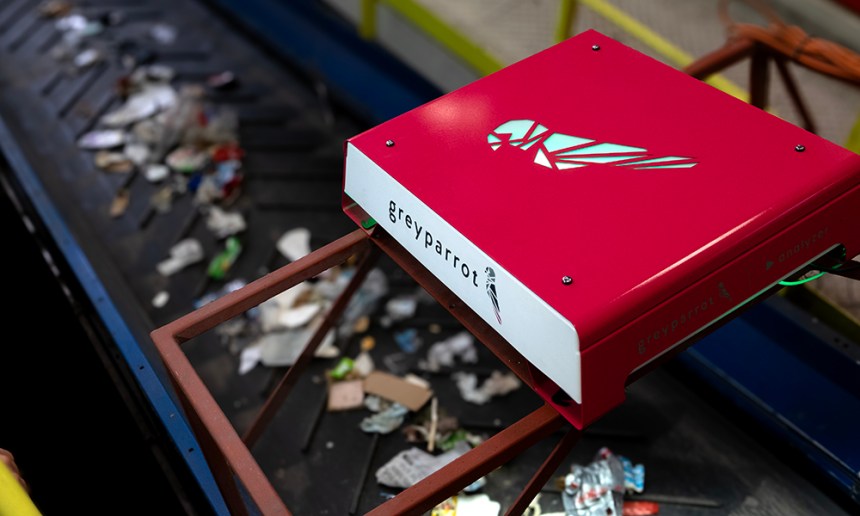
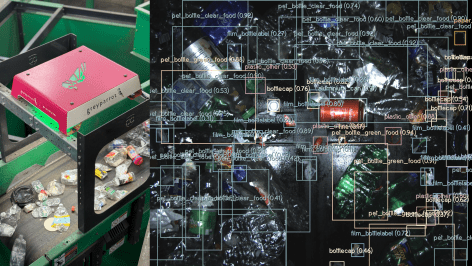

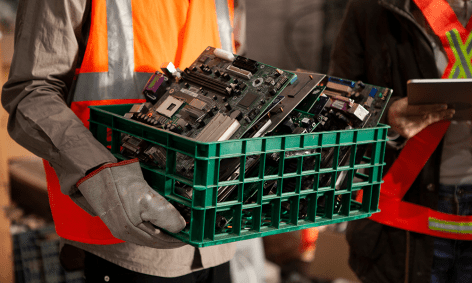




 Your search for a comprehensive enterprise-grade digital asset accounting and compliance platform ends at Bitwave. It is one of the popular tools that help businesses in reconciliation, reporting and auditing of digital asset transactions at scale. The key strengths of Bitwave revolve around workflow automation and in-built support for common regulatory standards adopted for digital assets. Bitwave supports more than 50 different blockchain networks and allows integration with popular accounting systems.
 The next big addition among popular tools for digital asset audits is Lukka, another enterprise-grade digital asset audit solution. The primary focus of Lukka is on digital asset reporting and stands out for offering alignment with global financial standards. Lukka is one of the best digital asset auditor tools for institutional clients with the facility of deep integration for complex transaction environments. It is a trusted digital asset audit tool with features that guarantee data management quality of the highest standards. The prominent features of Lukka point at the support for more than 100 blockchain networks and automatic matching systems.